
1. Activate the Yeast
In a small mixing bowl, dissolve the yeast with 1 teaspoon of caster sugar in 3 tablespoons of lukewarm water. Let it stand until foamy, which would take about 5–10 minutes. This step ensures your yeast is alive and ready to leaven the dough. If it is not foamy, start with new yeast.
2. Make the Dough
In a large bowl, mix 500 grams flour, add 1½ teaspoons of salt, then pour in 300 millilitres of lukewarm water, followed by 2 tablespoons of vegetable oil, and activated yeast. Knead well with the dough hook of the hand mixer. The dough should be soft and elastic, not dry. After kneading, cover the dough with a tea towel and let it rise in a warm place for about 1 hour, or until it doubles in size. While the dough is resting, line the baking tray with parchment paper and set it aside.
3. Shape the Dough
After the dough has doubled in volume, knead it a few times and then transfer it to the baking tray lined with parchment paper. If the dough is too sticky, add some more flour. Using your hands, gently flatten the dough and spread it into a circle about 2.5 cm (½”) thick and 30 cm (12″) in diameter. You don’t want to roll it; just gently spread it out.
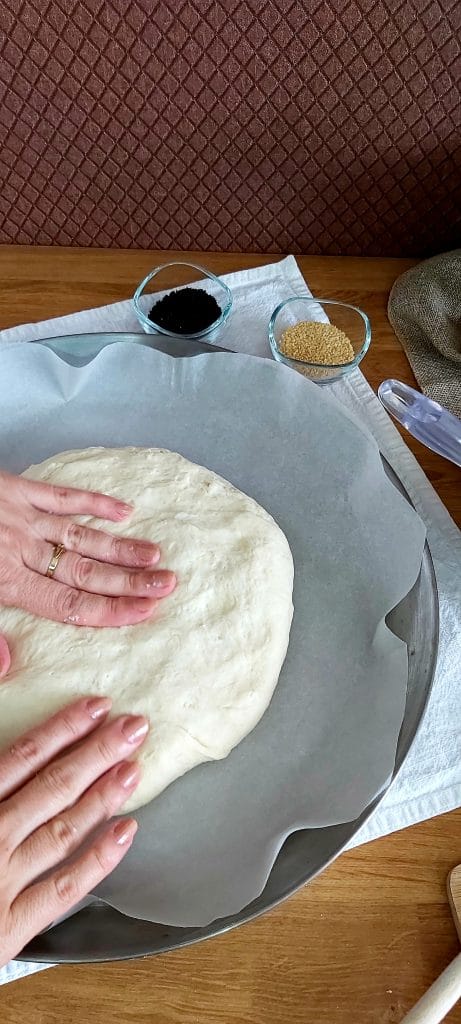
In a small bowl, mix the egg yolk with the milk and oil and brush over the dough. Using your fingers or the end of a wooden spoon, make indentations in the dough about 2.5 cm (1″) from the edge. You want to create a circular nub pattern. The indentations prevent the bread from puffing up too much and create the classic Turkish pide look.
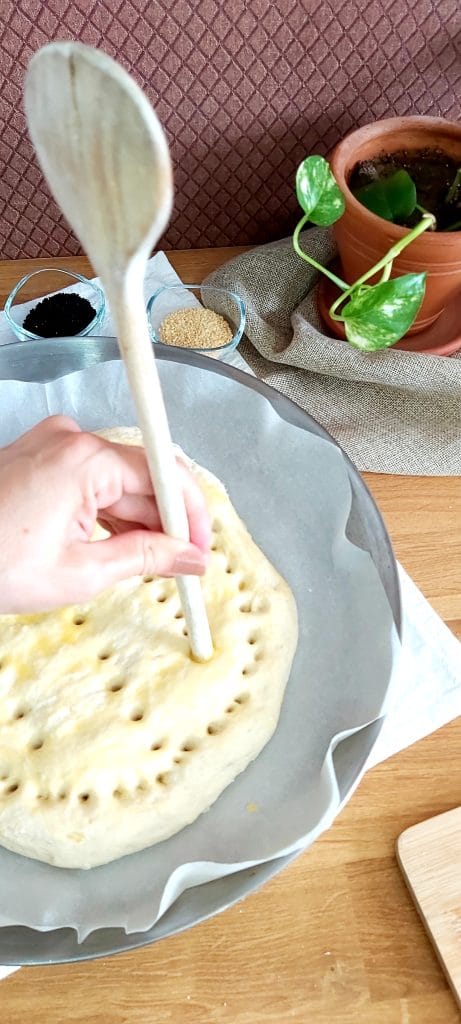
Once the circle is complete, continue with the diagonals. Make indentations in straight lines in two different directions with your fingers or the wooden spoon so that the indentations intersect. I made three rows of indentations in one direction and three rows of indentations in the other direction.
4. Short Second Rise
Brush the dough again with the egg mixture, sprinkle some sesame seeds and black cumin over it, cover with cling film, and let rise again until the oven has preheated to 200°C (395°F).
Before you put it in the oven, go through the indentations one more time to make sure you get a nice and defined pattern after baking.
5. Bake
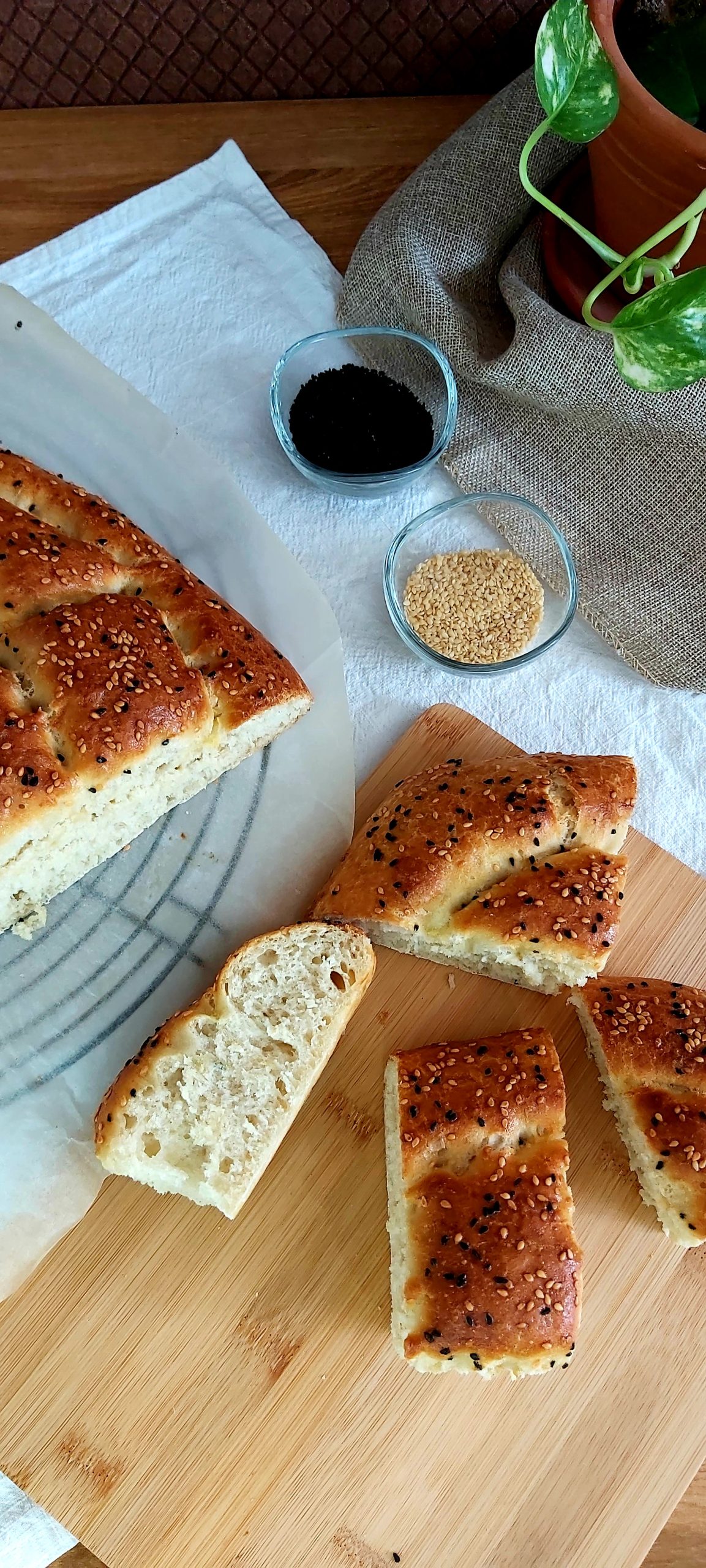
Bake the bread in the preheated oven for about 20 minutes until the surface is nicely golden brown. Let it cool slightly before serving.
Turkish pide is delicious with:
Can I make the dough ahead of time? Yes. Let the dough rise overnight in the refrigerator, then bring it to room temperature before shaping.
Can I freeze Turkish pide? Absolutely. Freeze it whole or sliced and thaw at room temperature before reheating.
Why did my pattern disappear? The indentations probably weren’t pressed deeply enough before baking. Go over them one final time immediately before putting the bread into the oven.
Can I use fresh yeast? Yes. Replace the dried yeast with about 20 g fresh yeast.
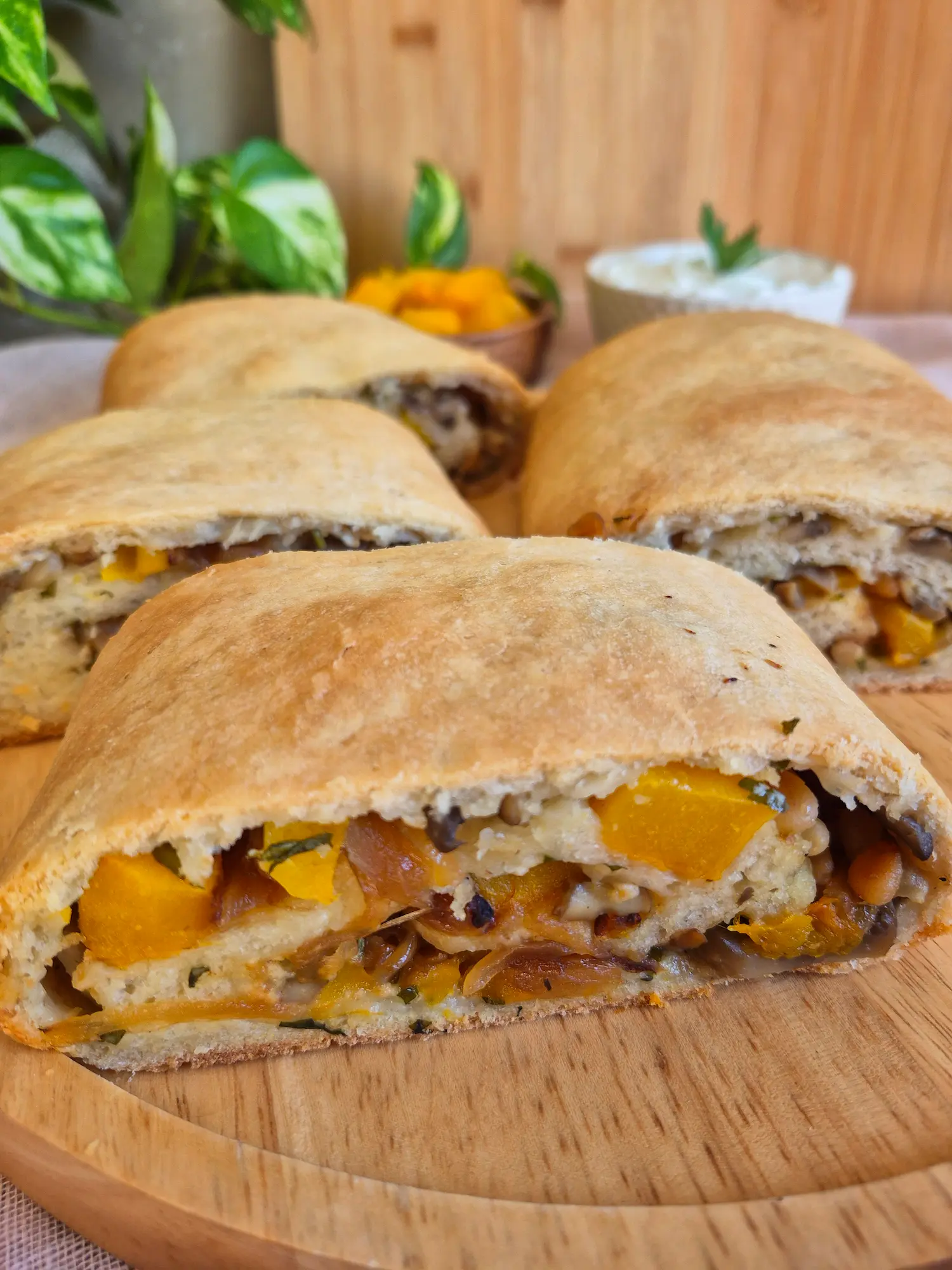
If you enjoy this Turkish Pide Bread, you might also love:
Comments